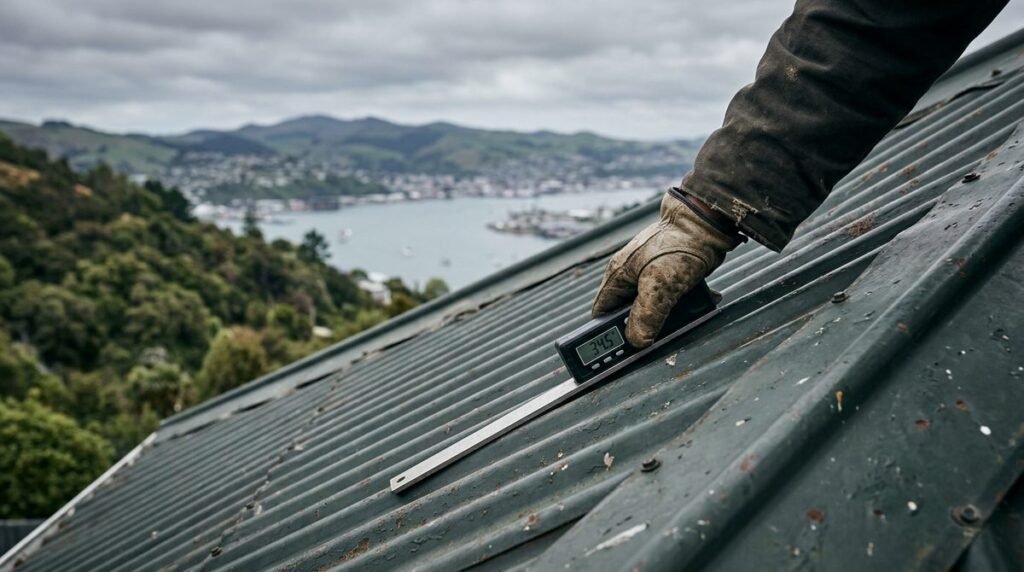
The roof pitch calculator NZ is a valuable tool for accurately determining the angle of your roof, crucial for effective roofing projects. It takes into account regional factors specific to New Zealand, ensuring precision and reliability.
- Introduction
- Tools and Techniques for Measuring Roof Pitch
- Applying Roof Pitch Calculations in Real Projects
- Why Choose Roof Craft Dunedin for Roof Pitch Calculations
- Frequently Asked Questions
- How do I calculate the roof pitch angle accurately?
- What tools are essential for measuring roof pitch?
- Why is knowing the roof pitch important?
- How often should roof pitch calculations be checked?
- Can I calculate roof pitch on my own?
- What are the differences between roof pitch and roof slope?
- Does the roof pitch affect the type of roofing materials used?
- Why should I choose Roof Craft Dunedin for calculating my roof pitch?
- What is the minimum roof pitch for corrugated iron in New Zealand?
Accurately calculating the pitch angle of a roof is a vital step in any construction or renovation project. This ensures that the roof not only stands strong against the elements but also complements the architectural vision of your home. For homeowners and professionals alike in Dunedin and beyond, a roof pitch calculator NZ provides a reliable solution to determining this important measurement with ease and precision.
Understanding Roof Pitch
The term “roof pitch” refers to the steepness or slope of a roof. Primarily, it is expressed as a ratio reflecting the vertical rise for every horizontal run. Knowledge of roof pitch is essential not only for construction accuracy but also for aesthetic reasons, ensuring that your roof design aligns with both functional requirements and visual goals.
Roof pitch is usually quoted in degrees in New Zealand, but plans and older calculators may use a ratio. This table converts between them.
| Pitch | Rise per 1 m of run | Slope as a ratio | Imperial pitch |
|---|---|---|---|
| 3° | 52 mm | 1 in 19.1 | 0.6/12 |
| 5° | 87 mm | 1 in 11.4 | 1/12 |
| 8° | 141 mm | 1 in 7.1 | 1.7/12 |
| 10° | 176 mm | 1 in 5.7 | 2.1/12 |
| 15° | 268 mm | 1 in 3.7 | 3.2/12 |
| 20° | 364 mm | 1 in 2.7 | 4.4/12 |
| 25° | 466 mm | 1 in 2.1 | 5.6/12 |
| 30° | 577 mm | 1 in 1.7 | 6.9/12 |
| 35° | 700 mm | 1 in 1.4 | 8.4/12 |
| 40° | 839 mm | 1 in 1.2 | 10.1/12 |
| 45° | 1000 mm | 1 in 1 | 12/12 |
The Importance of Correct Roof Pitch Calculations
A correct roof pitch calculation is critical as it impacts water drainage, roof material selection, and overall structural integrity. Factors like climate and regional specifications heavily influence these calculations.
In places like Dunedin, where weather conditions can be variable, using a tool such as a roof pitch calculator NZ becomes especially valuable. This helps optimise your roof’s durability and performance whilst adhering to local standards.
Using Roof Pitch Calculators for Optimal Results
Utilising a roof pitch calculator offers a user-friendly approach to achieve precise and quick measurements. These calculators take into account New Zealand’s unique requirements, thus assisting both homeowners and professionals in making informed decisions. With the expertise of Roof Craft Dunedin, residents in Dunedin can ensure their projects are handled with skill and accuracy.
Tools and Techniques for Measuring Roof Pitch
Accurately measuring the pitch of a roof is essential for successful roofing projects and can significantly impact the overall effectiveness and safety of construction. The variety of tools and techniques available for measuring roof pitch allows for precise calculations, preventing issues during installation and maintenance. In this section, we will discuss the most reliable tools and practices to employ when calculating roof pitch.
Traditional Tools for Measuring Roof Pitch
Before the advent of digital tools, traditional methods were widely used to measure roof pitch. These tools, though simple, are still effective and widely appreciated for their accuracy.
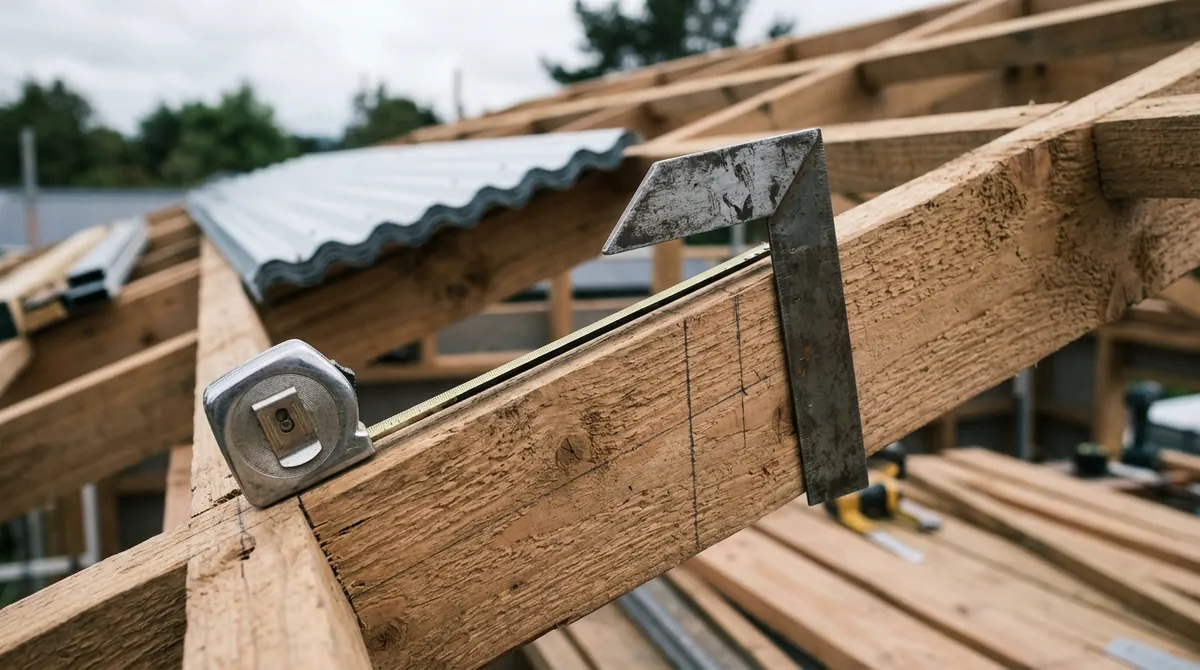
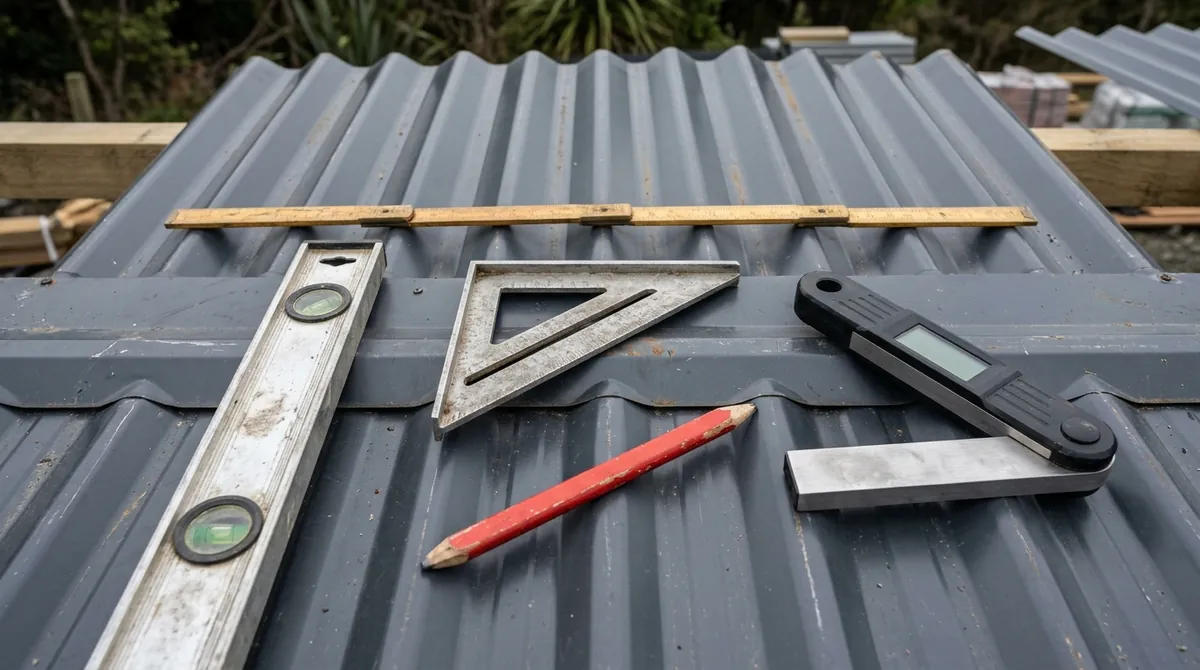
The most commonly used tool is the spirit level, which is often combined with a tape measure. To use this method, work from inside the roof space where possible. Hold one end of a 1 metre spirit level against a rafter, keep the bubble centred, and measure the vertical gap between the far end of the level and the rafter. That measurement is the rise over a 1,000 mm run. Divide the rise by 1,000 and take the inverse tangent to get the pitch in degrees, or look it up in the conversion chart above: a rise of 466 mm is a 25° roof. Homeowners and builders appreciate this method for its straightforwardness, making it accessible for DIY projects as well.
Another reliable tool is the framing square, which offers a precise way to measure the pitch. By placing the framing square under the rafters, you can easily ascertain the rise and run values and thus calculate the pitch. While requiring more expertise than a spirit level, seasoned roofers often prefer this tool for its precision and ease of use once mastered.
Digital Methods and Modern Innovations
With technological advancements, digital methods have grown in popularity, thanks to their increased precision and ease of use. These methods often involve the use of mobile apps or specialised devices designed specifically for calculating the roof pitch.
Laser levels and electronic inclinometers offer an efficient and accurate means of measuring roof angles. These tools provide real-time readings and are less prone to human error. By simply placing the tool on the roof surface, users can gain instant insight into the pitch, making these devices particularly beneficial for complex roofing structures or large-scale projects.
Additionally, roof pitch calculators, especially web-based ones designed for regions such as New Zealand, have become invaluable tools for both DIY enthusiasts and industry professionals. These calculators use input data like the roof’s dimensions to provide instant pitch calculations, streamlining the planning and execution phases of roofing projects.
Choosing the Right Tool for Your Project
Selecting the appropriate tool or technique greatly depends on the scope of your project, the complexity of the roof design, and your experience level. For straightforward, small-scale projects, traditional methods may be more than sufficient. However, for complex designs or when accuracy is paramount, digital tools are recommended to minimise errors and ensure precision.
It’s also essential to incorporate local industry standards and practices, such as those in Dunedin and throughout New Zealand, where local weather conditions and building codes might influence the selection of tools or techniques. By choosing the right tools, you ensure that your roofing projects are executed correctly, efficiently, and safely.
Benefits of Accurate Roof Pitch Measurement
The benefits of precise roof pitch measurement extend beyond the mere execution of a project. Accurate roof pitch calculations ensure structural integrity, enhance drainage, and improve the aesthetic appeal of a building. Furthermore, by employing the correct measurement techniques, you minimise material waste and reduce project costs.
Accurate measurements also mitigate the risk of structural damages, which can lead to costly repairs down the line. In regions like Dunedin, where the climate can be demanding on roofing structures, ensuring that these measurements are performed accurately is crucial for long-lasting results.
Ultimately, understanding and implementing the correct tools and techniques for measuring roof pitch ensure that every project meets both aesthetic and functional standards, aligning with the expertise provided by professional roofers like Roof Craft Dunedin.
Applying Roof Pitch Calculations in Real Projects
Moving beyond the foundational understanding of roof pitch and measurement techniques, applying these calculations effectively is crucial in real-world situations. The correct roof pitch significantly influences a project’s success, impacting both aesthetics and functionality. Below, we examine how professionals in Dunedin, New Zealand, integrate these calculations into their work, ensuring both structural integrity and visual appeal.
Real-World Application
In practical terms, roof pitch calculations are indispensable during the planning phase of any roofing project. Whether constructing new homes or refurbishing existing structures, obtain precise measurements to select appropriately sized materials, ensure proper drainage, and comply with local building codes. For instance, in residential builds, a steeper pitch often implies better water runoff, a critical factor in areas like Dunedin with considerable rainfall. In contrast, flatter roofs might be preferable for commercial structures where maintenance access and economising space are of higher priority.
Every roofing profile has a minimum pitch it can be laid at without water backing up under the sheets. These are the figures most New Zealand roofers work to.
| Roofing profile | E2/AS1 (Building Code Acceptable Solution) | NZ Metal Roofing Code of Practice |
|---|---|---|
| Corrugate | 8° | 3° to 4°, depending on rib height and sheet length |
| Trapezoidal, such as 5-rib | 3° | 3° to 4°, depending on rib height and sheet length |
These minimums apply to the roof cladding itself. Low-pitch roofs need more careful flashing detail, and a building consent may require the E2/AS1 figure, so the actual product and sheet length should always be checked before work starts.
Worked Example: Checking a Roof Before Choosing a Profile
Say you measure a rise of 466 mm over a 1 metre level on an older Dunedin house. That is a 25° pitch, well above the 8° minimum for corrugate under E2/AS1, so corrugate, 5-rib and most other profiles are all options, in any of the COLORSTEEL roof colours.
Now say a lean-to or extension measures a rise of only 105 mm over the same level. That is about 6°, which is too shallow for corrugate under E2/AS1. A trapezoidal profile such as 5-rib, with a 3° minimum, would be the safer choice, and the flashing details would need extra care at that low pitch.
Strategic Planning and Installation
Integrating roof pitch calculations into the strategic planning and installation phases involves a palette of considerations, from material selection to aesthetic harmony with surrounding structures. Professional roofing companies, such as Roof Craft Dunedin, bring expert knowledge and region-specific insights that enable them to adapt plans to local conditions seamlessly. They ensure each project’s outcome meets functional needs and client expectations, leveraging their understanding of the varied implications of roof pitch.
In summary, accurate roof pitch calculations not only support structural firmness but also contribute to eco-efficient designs tailored to New Zealand’s unique environment. By understanding and utilizing these measurements, roofing professionals deliver robust solutions that stand the test of time.
Why Choose Roof Craft Dunedin for Roof Pitch Calculations
When it comes to ensuring your roofing projects are top-notch, choosing the right partner can make all the difference. For residents and businesses in Dunedin, New Zealand, Roof Craft Dunedin stands as a leader in roof pitch calculations, offering unparalleled expertise and dedication to quality. Whether you are planning a new installation or need to evaluate the angle of your existing roof, our team brings a wealth of local knowledge and experience to every project.
Experienced Local Experts
There’s an inherent advantage in choosing a company with deep roots in the local community. At Roof Craft Dunedin, our professionals possess an intimate understanding of the regional architectural styles, local weather conditions, and specific building codes. This local expertise ensures that your roof pitch calculations are not only accurate but also aligned with Dunedin’s unique requirements. Our team is well-versed in utilising advanced tools to deliver precise and reliable results, tailored to the specifications of each individual project.
What Sets Us Apart
Roof Craft Dunedin is distinguished by its commitment to delivering excellence and innovation in every task. We employ cutting-edge technology and a customer-centric approach to ensure our clients receive the best possible service. Our relentless focus on quality and attention to detail means you can trust us to handle your roof pitch needs with the utmost professionalism. Customer satisfaction is at the heart of what we do, and our reputation for reliability and high standards speaks for itself, making us your go-to for trustworthy roof assessments.
Allow us to take the stress out of your roofing projects. Whether you are calculating pitches for new builds or existing structures, our methodical approach ensures accuracy and peace of mind, helping you achieve optimal roofing performance without any hiccups.
Frequently Asked Questions
How do I calculate the roof pitch angle accurately?
Measure the vertical rise over a known horizontal run, divide the rise by the run, and take the inverse tangent to get the angle. For example, a 364 mm rise over 1,000 mm of run is 20°. A digital angle finder placed on a rafter gives the same answer directly and avoids arithmetic mistakes.
What tools are essential for measuring roof pitch?
A spirit level and tape measure, or a steel roofing square, will give you the rise and run. A digital angle finder or inclinometer reads the angle directly and is the quickest option. Measure along the line of a rafter rather than across the roofing sheets for the most reliable reading.
Why is knowing the roof pitch important?
Pitch decides which roofing you can use, how quickly water drains and how the roof copes with wind. In New Zealand each profile has a minimum pitch, such as 8° for corrugate under E2/AS1, so getting it wrong can mean leaks or a roof that does not meet the Building Code.
How often should roof pitch calculations be checked?
The pitch of a sound roof does not change, so it only needs measuring when you are planning a reroof, an extension or a change of roofing material. If a roof has started to sag or water is pooling, have it checked, because that can point to structural movement.
Can I calculate roof pitch on my own?
Yes. You can work out the pitch from inside the roof space with a level and tape measure, or from the building plans, without climbing onto the roof. Leave on-roof measuring to a professional, because working at height needs proper fall protection, and a roofer will confirm the pitch when quoting.
What are the differences between roof pitch and roof slope?
In everyday New Zealand roofing they mean the same thing: how steep the roof is. Pitch is usually given in degrees, such as 25°. Slope or fall is often written as a ratio or percentage, such as 1 in 40, which is common when talking about low-slope and membrane roofs.
Does the roof pitch affect the type of roofing materials used?
Yes. Every roofing profile has a minimum pitch. Under E2/AS1, corrugate needs at least 8° and trapezoidal profiles such as 5-rib need at least 3°, while roofs flatter than that usually need a membrane system. Steeper roofs give you the widest choice of materials.
Why should I choose Roof Craft Dunedin for calculating my roof pitch?
Roof Craft Dunedin is a locally owned roofing company led by a Licensed Building Practitioner who has worked on Dunedin roofs since 2013. We check pitch, profile and sheet length against New Zealand requirements before quoting, and every roof we fit comes with a 10-year workmanship guarantee.
What is the minimum roof pitch for corrugated iron in New Zealand?
Under E2/AS1, the Building Code Acceptable Solution, corrugated roofing needs a minimum pitch of 8°. The NZ Metal Roofing Code of Practice allows 3° to 4° for some corrugate profiles depending on rib height and sheet length, but a building consent may require the E2/AS1 figure.

Josh Whelan
Josh Whelan is a Licensed Building Practitioner (BP166400) and the owner of Roof Craft Dunedin. He has been roofing Dunedin homes since 2013 and still quotes every job himself.