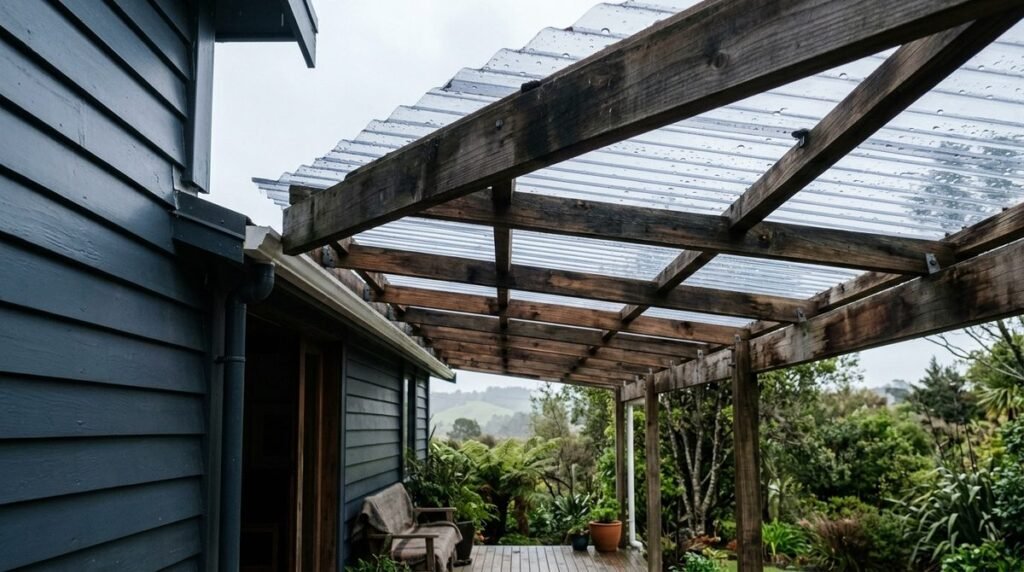
Roof replacement service typically becomes essential for corrugated plastic roofing when deterioration occurs, significantly affecting performance. The lifespan ranges from a few years for cheap PVC to 10 to 20 years for quality UV-protected polycarbonate, depending on the material, weather exposure and maintenance.
- Introduction
- Understanding Material Quality
- Optimising Maintenance for Longevity
- Why Choose Roof Craft Dunedin for Your Roofing Needs
- Frequently Asked Questions
- What is the average lifespan of corrugated plastic roofing?
- How does weather affect the durability of corrugated plastic roofing?
- What maintenance is required for corrugated plastic roofing?
- Can I install corrugated plastic roofing myself?
- Is corrugated plastic roofing eco-friendly?
- Are there any colour options available for corrugated plastic roofing?
- Does corrugated plastic roofing provide good insulation?
- What factors affect the cost of corrugated plastic roofing?
- Is polycarbonate roofing better than PVC?
When it comes to maintaining the durability and aesthetic appeal of your home, roofing plays an essential role. Especially with options like corrugated plastic roofing, understanding its lifespan is critical so you can anticipate when a roof replacement service may be necessary. As a popular choice due to its lightweight nature and versatility, corrugated plastic roofing offers many benefits, yet it also presents unique challenges.
Corrugated plastic roofs are recognised for their cost-effectiveness and ease of installation. However, their lifespan can vary significantly based on several factors including exposure to severe weather conditions, the quality of the material, and how well it is maintained over time. Generally, quality UV-protected polycarbonate lasts 10 to 20 years, while cheap PVC sheeting can go brittle within a few years. Therefore, being aware of when you might need the expertise of a roof replacement service is crucial for proper planning and budgeting.
Importance of Regular Maintenance
Regular maintenance is vital for extending the life of your corrugated plastic roofing. Simple tasks like cleaning debris and scheduling routine inspections can help prevent minor issues from escalating into major problems. Roof Craft Dunedin, based in Dunedin, New Zealand, suggests conducting inspections at least twice a year, especially after severe weather events.
- Temperature Fluctuations
- Sun Exposure
- Impact of Extreme Weather
Adverse weather conditions such as heavy rain, strong winds, or heatwaves can significantly affect the longevity of your roof. These factors highlight the importance of regular check-ups and timely repairs to avert unexpected damage and costly roof replacement service.
In conclusion, while corrugated plastic roofing is a durable option, it’s vital to be proactive about its maintenance to ensure it reaches its full lifespan potential. The team at Roof Craft Dunedin advises homeowners to stay informed about their roofing material, enabling cost-effective solutions and preserving the value of their property.
Understanding Material Quality
In the realm of roofing, material quality plays a pivotal role in determining the longevity and performance of corrugated plastic roofing. Known for their lightweight and inexpensive nature, corrugated plastic materials are a popular choice among homeowners in Dunedin seeking efficient and long-lasting roofing solutions. Selecting high-quality materials can ensure the roof withstands local weather conditions and extends the interval before needing Roof Craft Dunedin’s roof replacement service. This section delves into the elements that define material quality and their impacts on durability and performance.
Material Composition
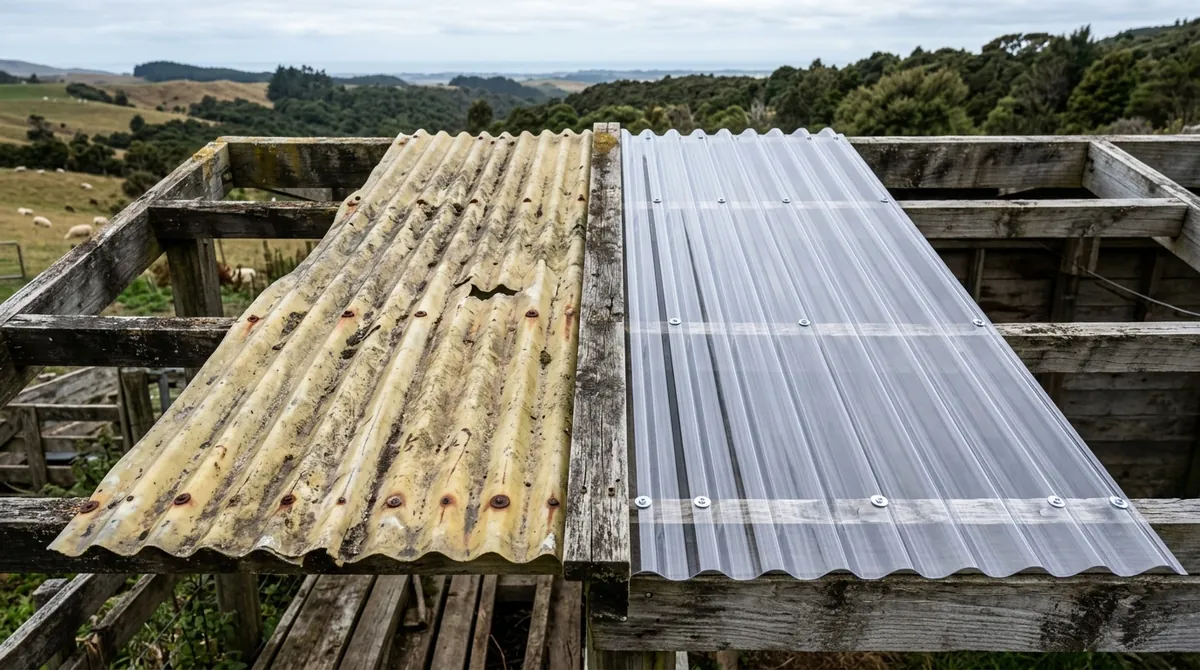
The composition of corrugated plastic roofing significantly influences its quality. Typically made from polycarbonate or PVC, these materials are designed to offer varying degrees of light transmission, impact resistance, and thermal insulation. Polycarbonate sheets are preferred for their superior strength and UV protection, making them ideal for prolonged exposure to Dunedin’s diverse climatic conditions. On the other hand, PVC variants provide excellent weather resistance with added affordability. Understanding these differences helps in choosing materials that align with specific needs and climates, ultimately impacting the longevity of the roof.
How long a clear roof lasts comes down mostly to what it is made of and how much UV protection the sheet has.
| Sheet type | Typical warranty | What to expect | Best for |
|---|---|---|---|
| PVC | Up to 5 years | Goes brittle and yellow within a few years in New Zealand sun | Short-term or low-cost cover |
| Entry-level polycarbonate, such as Suncover or Solasafe | 10 years | A thinner UV-protective coating that holds up for around a decade | Sheds, carports and budget lean-tos |
| Premium polycarbonate, such as Suntuf or Laserlite 1000 | 15-year performance and 25-year light transmission | A thicker UV coating and the longest life of the clear options | Outdoor living areas and long-term roofs |
Manufacturing Standards
The manufacturing process and standards set during production also affect the quality of corrugated plastic roofing. Adhering to international standards ensures consistency, reliability, and safety. Certifications such as ISO 9001 on quality management systems indicate that the product meets international quality requirements, offering assurance to consumers. Additionally, advanced manufacturing techniques, such as co-extrusion, enhance the performance characteristics of the roofing materials, including UV resistance and impact strength. Choosing products that meet recognized standards can thus extend the roof’s lifespan, delaying the need for a roof replacement service.
Coatings and Treatments
Another critical aspect of material quality is the coatings and treatments applied to corrugated plastic roofing. These enhancements can significantly boost durability, reduce wear, and protect the roof from environmental threats such as UV rays and chemical corrosion. UV protective coatings are essential in preventing plastic degradation, especially under the harsh sun experienced across New Zealand. Anti-drip treatments can also enhance comfort by minimising condensation build-up. The presence of such coatings and treatments provides an additional layer of assurance for homeowners looking to maximise their roofing’s lifespan.
Cost vs. Quality
While high-quality materials typically come at a premium, the investment can be justified by the extended lifespan and reduced maintenance frequency. Lower-cost alternatives may seem attractive initially but can lead to frequent repairs and earlier replacement due to inferior quality. It’s vital for homeowners to balance cost against quality by evaluating potential savings in maintenance and longevity, alongside the upfront costs. Investing in renowned brands and products with proven track records can prevent unexpected expenses down the road, providing peace of mind and long-term savings.
Optimising Maintenance for Longevity
To prolong the lifespan of your corrugated plastic roofing and defer the need for a roof replacement service, regular maintenance is crucial. While material quality sets the foundation, proactive upkeep can significantly enhance durability. Here, we delve into practical strategies that homeowners can adopt to maintain their roofs efficiently and effectively.
Routine Inspection and Cleaning
Regular inspections are an essential first step in maintaining corrugated plastic roofing. Homeowners should conduct visual checks at least twice a year, focusing on identifying signs of wear, damage, or loose fittings. Additionally, after severe weather events, it is advisable to perform a more thorough inspection, as extreme conditions can exacerbate minor issues.
Cleaning the roof is equally important. Accumulated debris, such as leaves and twigs, should be removed to prevent the growth of mould and algae, both of which can degrade the material over time. Use a gentle cleaning solution with a soft brush to avoid scratching the plastic surface. An environmentally-friendly detergent diluted with water works effectively in clearing away dirt and enhancing the roof’s appearance.
A simple maintenance routine is the cheapest way to get the full life out of plastic roofing.
| Task | How often | What to look for |
|---|---|---|
| Visual inspection | Twice a year, and after storms | Cracks, yellowing, lifted sheets and loose fixings |
| Clean the sheets | Once or twice a year | Dirt, leaves, moss and mould, cleaned with mild soapy water and a soft brush |
| Clear gutters and downpipes | Every six months, more often under trees | Blockages that back water up under the sheets |
| Check fixings and washers | Once a year | Loose screws, perished rubber washers and cracks around fixing holes |
Ensuring Effective Drainage
One of the key aspects of maintaining corrugated plastic roofing is ensuring that the drainage system is functioning correctly. Blocked gutters and downpipes can lead to water accumulation, which might seep under the roofing material, causing leaks and eventual structural damage. Regularly clear out gutters and remove any obstructions to facilitate unimpeded water flow.
Additionally, checking the slope of the roof is important. The correct slope ensures water is directed away efficiently, minimising the risk of pooling. If adjustments are needed, consult with a professional roofer to ensure proper alignment and gradient, which is vital for the longevity of the roofing system.
Securing Fittings and Edges
Another practical approach to extending the lifespan of corrugated plastic roofing is by securing all fittings and edges. Over time, fasteners may become loose due to wind and other environmental factors. Periodically check and tighten these components to prevent panels from lifting or rattling. If any damage is noted, such as cracks around the fasteners, it is important to repair or replace them promptly to prevent further deterioration.
For an additional layer of protection, consider applying a UV-resistant coating. This coating can minimise colour fading and material brittleness, safeguarding your roof from the harsh effects of sun exposure common in regions like Dunedin.
Implementing these maintenance practices not only maintains the aesthetic appeal of your corrugated plastic roofing but also significantly extends its service life. Through diligent care, homeowners can defer costly roof replacement services, ensuring optimal performance and resilience against the elements.
Why Choose Roof Craft Dunedin for Your Roofing Needs
When it comes to ensuring your home is well protected, the importance of a reliable roof cannot be overstated. If you’re seeking a Roof Craft Dunedin replacement service in Dunedin, New Zealand, Roof Craft Dunedin is your ultimate partner. They bring local expertise, unmatched reliability, and a reputation for excellence that sets them apart in the roofing industry.
Experienced Local Experts
Roof Craft Dunedin is a name synonymous with excellence in the roofing industry in Dunedin, New Zealand. The team comprises seasoned professionals with years of experience in providing roof replacement services. This local expertise allows them to understand the unique challenges posed by Dunedin’s climate, ensuring that every roof they work on is well-equipped to withstand the elements. Moreover, their intimate knowledge of local building codes and regulations ensures that every project complies with the latest standards, providing you with both peace of mind and a durable, high-quality roof.
What Sets Us Apart
Choosing Roof Craft Dunedin means opting for quality and reliability. A keen eye for detail and commitment to using the best materials are just some of the reasons why past clients never hesitate to recommend this company. Their dedication to excellence is evident in every project, whether it’s a small repair job or a comprehensive roof replacement. Additionally, the team stands out with their customer-centric approach, ensuring that each client’s specific needs are met with personalised solutions. Their transparency in pricing and processes further enhances their reputation, making sure clients are always informed and satisfied.
As a testament to their exemplary service, many clients have left glowing reviews about their experiences with Roof Craft Dunedin, reflecting a high level of satisfaction and trust. This reputation is, in part, thanks to their consistent delivery of projects on time and within budget without compromising on quality. In the next section, we will cover some frequently asked questions about roof replacement service, providing clear answers to help you make informed decisions about your roofing needs.
Frequently Asked Questions
What is the average lifespan of corrugated plastic roofing?
It ranges from a few years to 20 years, depending on the material. Cheap PVC can go brittle within a few years in New Zealand sun, while quality UV-protected polycarbonate carries 10 to 15-year performance warranties and usually lasts at least that long when installed and maintained properly.
How does weather affect the durability of corrugated plastic roofing?
UV exposure is the biggest factor, because it makes plastic yellow, brittle and prone to cracking, which is why UV-protected polycarbonate outlasts PVC. Strong wind can lift or crack sheets at loose fixings, and hail can damage cheaper, thinner sheets.
What maintenance is required for corrugated plastic roofing?
Inspect the roof twice a year and after storms, looking for cracks, yellowing and loose fixings. Clean the sheets once or twice a year with mild soapy water and a soft brush, keep the gutters clear, and replace perished washers before water gets in.
Can I install corrugated plastic roofing myself?
A handy homeowner can roof a small lean-to or carport, but the details matter. Pre-drill oversized holes to allow for expansion, use the correct fixings and washers, and lay the sheets with the UV-protected side facing up. Poor installation is a common cause of cracking and leaks.
Is corrugated plastic roofing eco-friendly?
It depends on the product. Polycarbonate lasts much longer than PVC, so it needs replacing less often, which means less waste. Ask your supplier or local transfer station about recycling options for old sheets before you dispose of them.
Are there any colour options available for corrugated plastic roofing?
Yes. Polycarbonate roofing is commonly available in clear, opal and tinted options such as grey or bronze. Clear lets in the most light, while opal and tinted sheets reduce glare and heat underneath, which suits outdoor living areas.
Does corrugated plastic roofing provide good insulation?
No. Single-skin corrugated plastic has very little insulation value, so the space underneath can get hot in summer and cold in winter. Opal and tinted sheets reduce heat gain, but a room you want to heat needs an insulated roof instead.
What factors affect the cost of corrugated plastic roofing?
The main factors are the material, with PVC the cheapest and premium polycarbonate the dearest, the roof area, the sheet length and thickness, and the installation, including fixings, flashings and any new framing. A quality sheet costs more upfront but usually works out cheaper over its life.
Is polycarbonate roofing better than PVC?
For most homes, yes. Polycarbonate is stronger and far more UV-resistant than PVC, with warranties of 10 to 15 years compared with up to 5 years for PVC. PVC is cheaper upfront but tends to go brittle and yellow within a few years in New Zealand sun.

Josh Whelan
Josh Whelan is a Licensed Building Practitioner (BP166400) and the owner of Roof Craft Dunedin. He has been roofing Dunedin homes since 2013 and still quotes every job himself.